%20(250%20x%20100%20px).png)
Industry: SaaS / Construction and Workforce Management
Product: Construction workforce management software, including scheduling, time tracking, crew management, and dispatch tools
Engagement Start: August 2023
Service Provided: SaaS Link Building
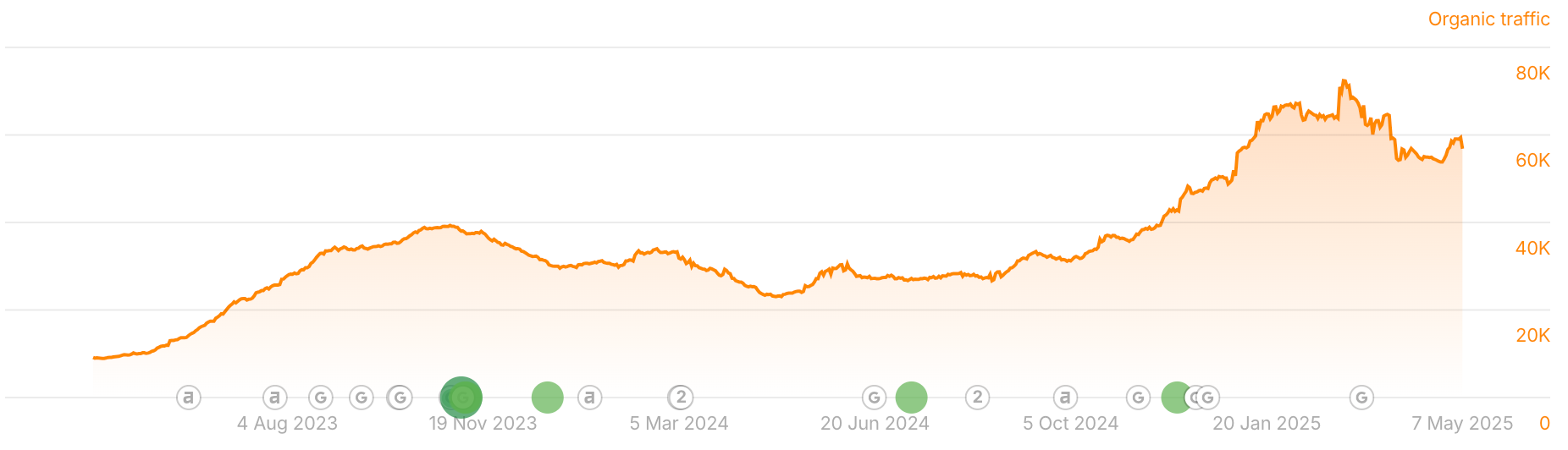
When Workyard came to our SaaS link building agency in 2023, they had a strong product but almost no organic visibility. The core problems were straightforward:
We set two phases of goals with Workyard.
We ran three strategies in sequence. We started with SaaS-to-SaaS backlinks to build foundational authority, layered in digital PR to accelerate trust signals and brand awareness, and then added AI citation building once LLMs became a meaningful discovery channel for SaaS buyers.
Why this came first: Google trusts backlinks from established SaaS companies more than links from generic blogs. For a SaaS product like Workyard, links from other software companies in adjacent categories send the strongest relevance and trust signals.
How we executed it: We researched SaaS websites with high domain ratings and real traffic in related categories such as HR software, time tracking tools, payroll platforms, and project management solutions. We then developed tailored pitches for each target, focusing on integration angles and partnership value rather than generic link requests.
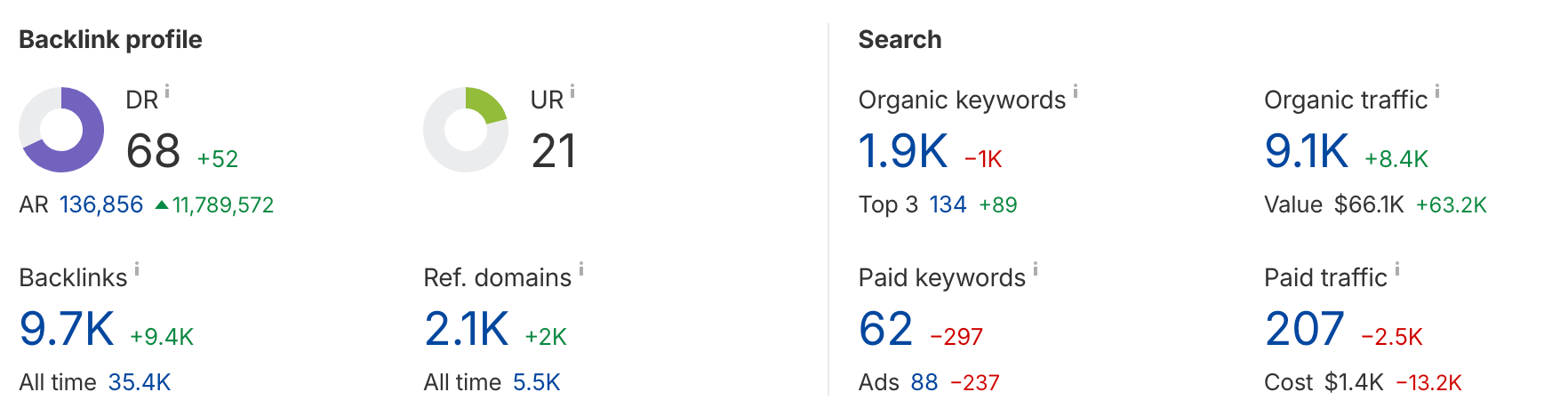
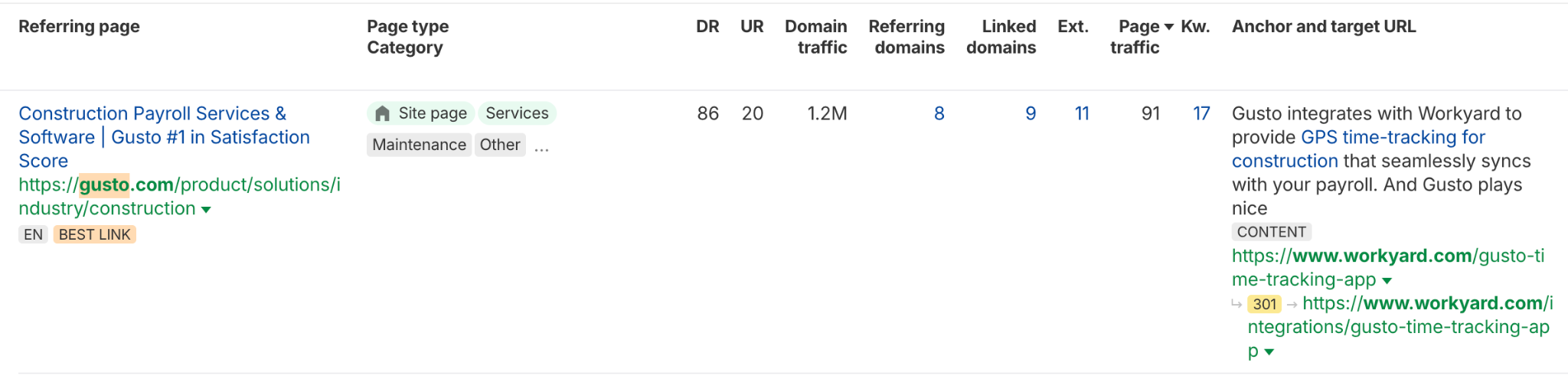
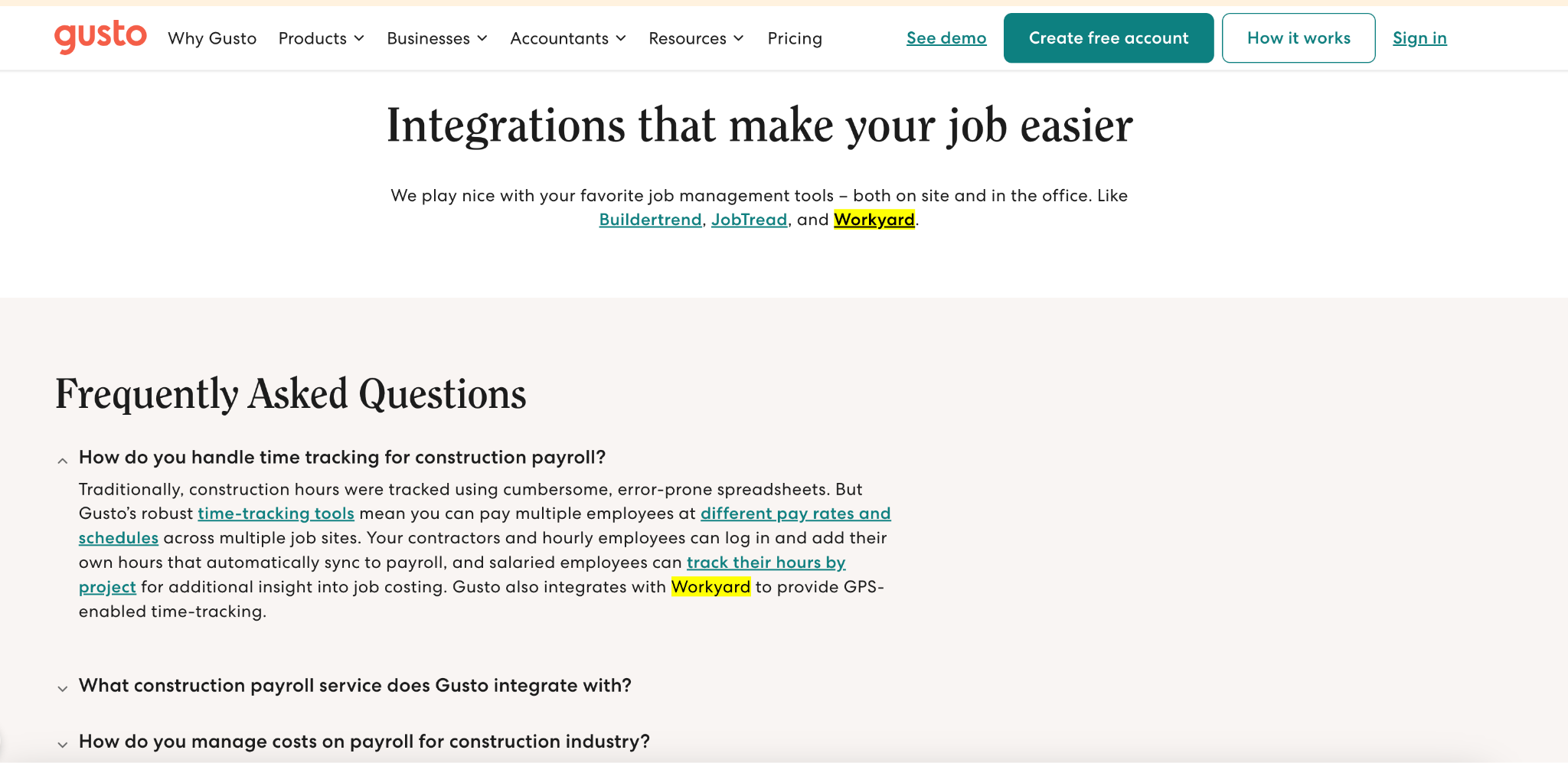
Example: Gusto.com is a SaaS website with DR 88, 1.2 million monthly visits. We positioned Workyard as the job management tool that complements Gusto's payroll platform. Through this collaboration, we secured a contextual backlink as part of the partnership.
Result: Multiple high-authority backlinks from SaaS companies in Workyard's ecosystem, each one reinforcing Workyard's credibility in Google's eyes.
Why we added this next: SaaS-to-SaaS links built foundational authority, but Workyard also needed trust signals from high-authority publications. These are the kind of sites Google treats as editorial endorsements. Digital PR also addressed Workyard's branding challenge by putting the company name in front of a wider audience.
How we executed it: We created original data studies published on Workyard's website, then used those studies as resources for link placements in high-authority tech and business publications. This gave journalists a reason to reference Workyard.
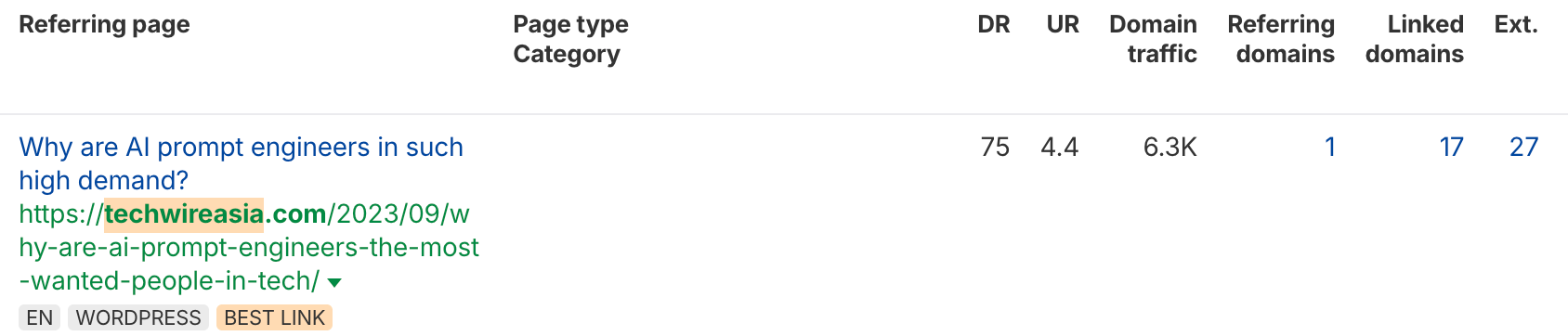
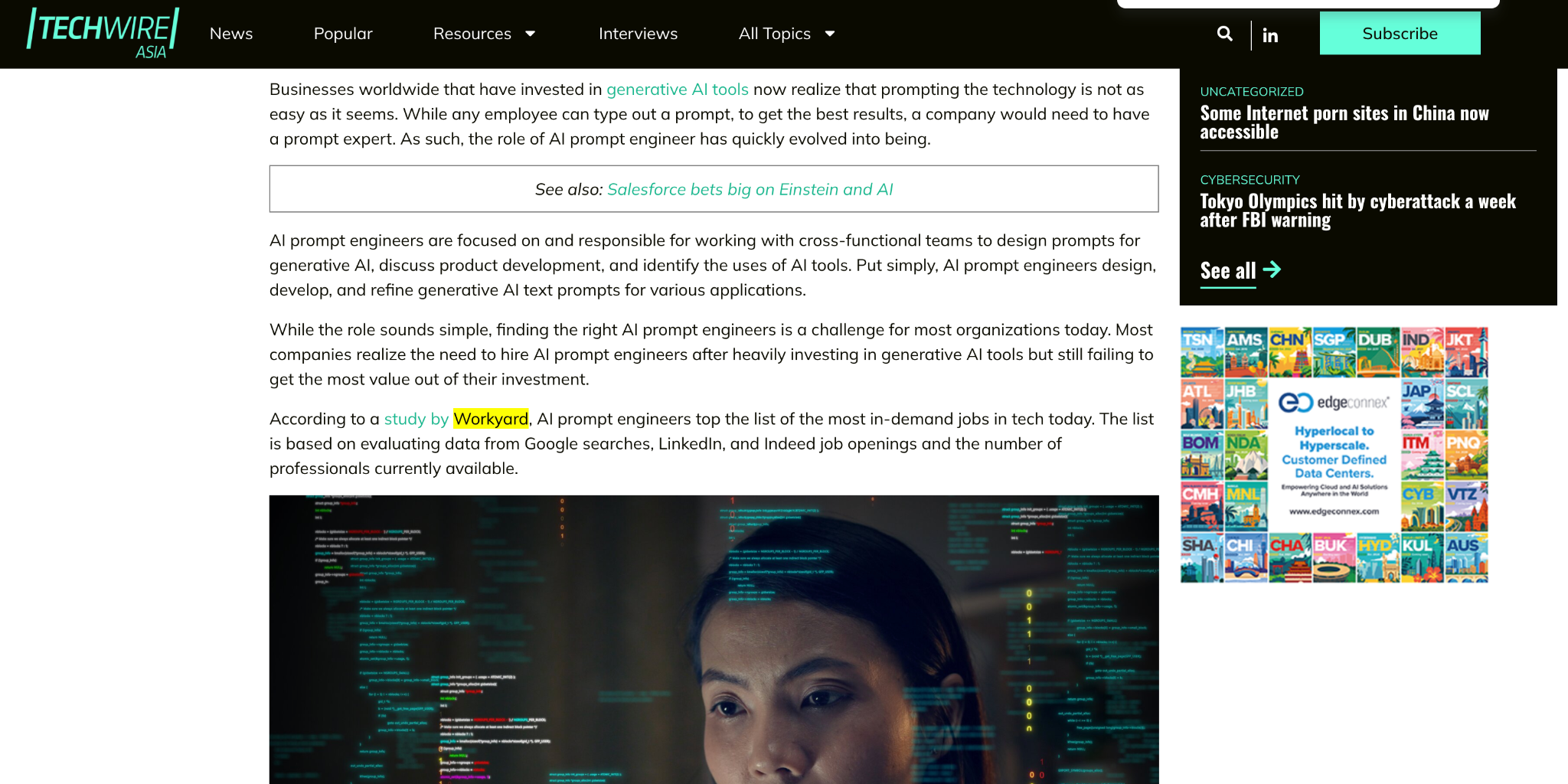
Example: TechWire Asia is a media outlet with DR 75 and 6,300 monthly visitors. We created original research, published it on Workyard's site, and secured a contextual link insertion within a relevant article on TechWire Asia.
Scale: Over the 44-month engagement, we ran 160+ digital PR campaigns. Approximately 70% resulted in live placements.
Result: A steady stream of authoritative backlinks from publications that Google trusts editorially, combined with increased brand exposure across tech media.
Why we added this last: By 2024, SaaS buyers were increasingly searching ChatGPT, Perplexity, and Google AI Overviews for software recommendations. These AI tools pull their answers from listicles, roundups, and comparison articles. If Workyard wasn't cited in those source articles, it wouldn't appear in AI-generated answers.
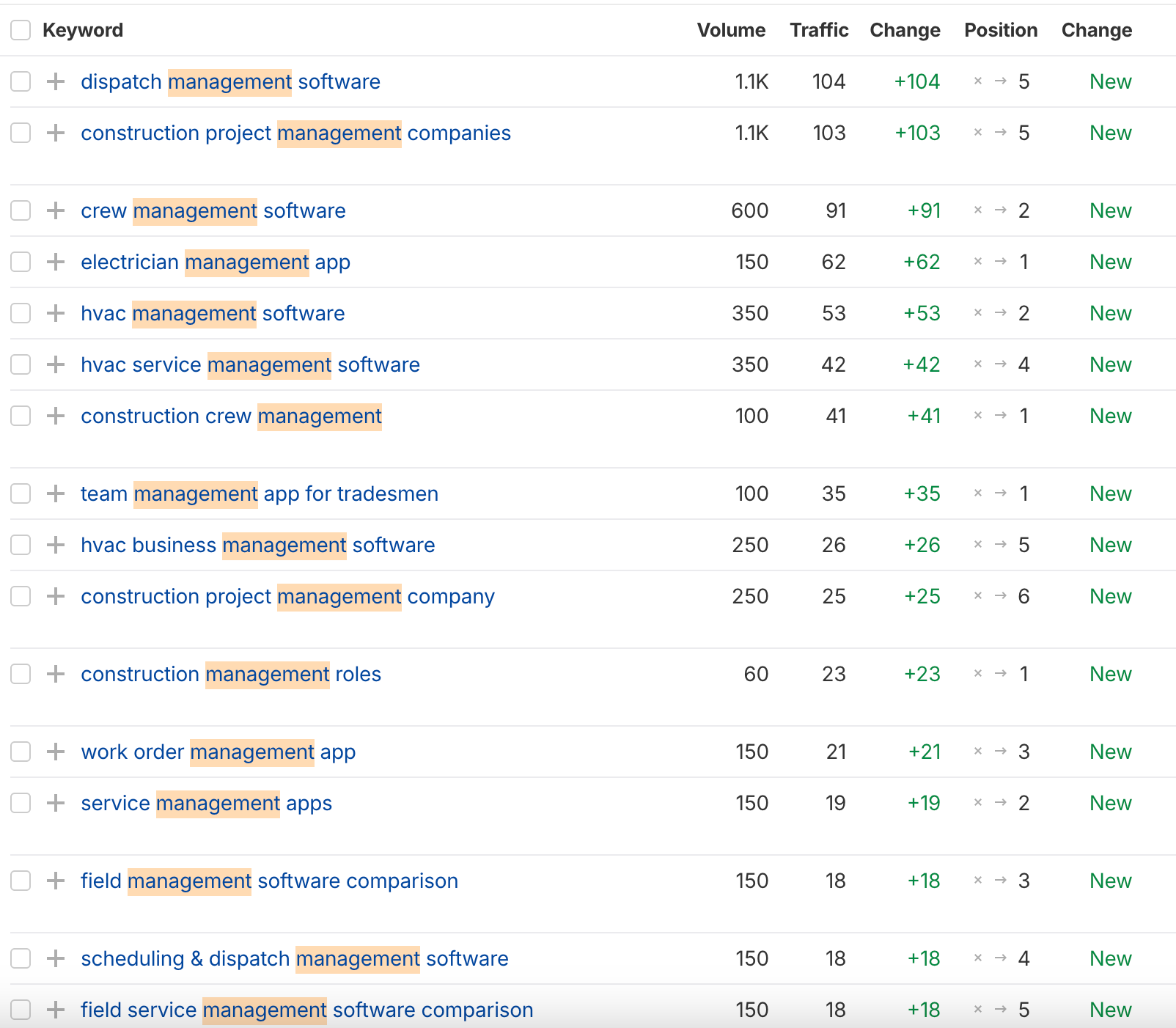
How we executed it: We identified the specific listicles and roundup articles that AI platforms were referencing for queries like "best HVAC business management software," "team management app for tradesmen," and "best construction time tracking software." We then secured placements for Workyard within those articles.
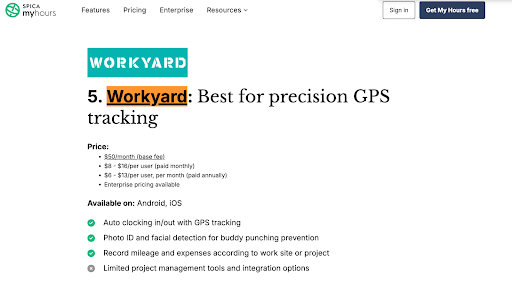
Example: MyHours.com is a website with DR 74, 180,000 monthly visitors. We got Workyard featured in their "Top 8 Construction Time Tracking Software for 2025" listicle. This article is one of the sources ChatGPT and Perplexity reference when users ask about construction time tracking tools.
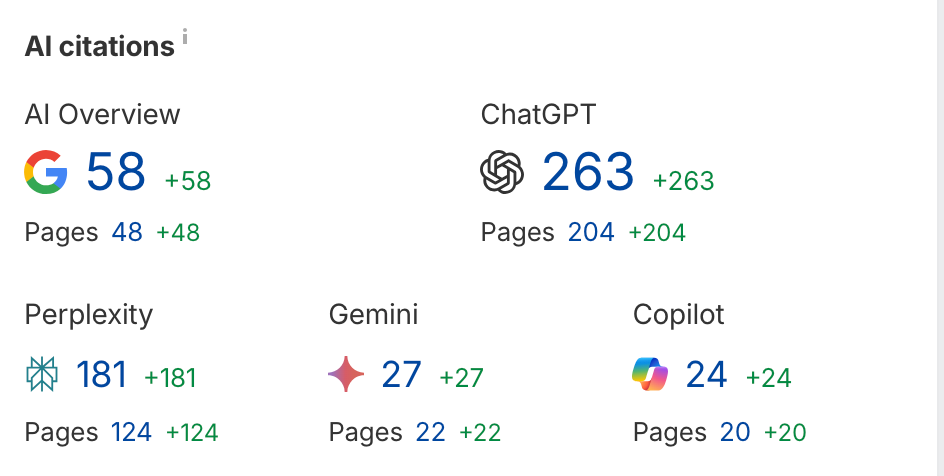
Result: Workyard began appearing in AI-generated answers across multiple platforms, capturing a discovery channel that most competitors in the construction SaaS space hadn't addressed yet.