%20(250%20x%20100%20px).png)




Short answer: It depends entirely on what you're buying. Cheap bulk links from shady sources will hurt you. Paying for a well-placed link on a real, relevant website is something most SEOs do, and Google knows it.
So, should you buy backlinks? Maybe, but first you need to know what kind, from where, and is the risk worth it for my business?
Below, I will share guidance you can use, based on our SaaS link building agency’s experience.
What Does "Buying Backlinks" Mean?
People use "buying backlinks" to mean very different things, and that distinction matters a lot for your decision.
Bulk link buying is a big red flag. The discussion shifts when we talk about niche edits or paid guest posts.
How Google Detects Paid Links?
Google has two mechanisms for catching paid links.
First - algorithmic detection. It flags patterns like:
- Sudden spikes in link acquisition (gaining 50 links in a month when you normally get 2)
- Unnatural anchor text distribution (too many exact-match commercial keywords)
- Links concentrated on low-quality, thin-content sites with no organic traffic
- Irrelevant domains linking to you with commercial anchors
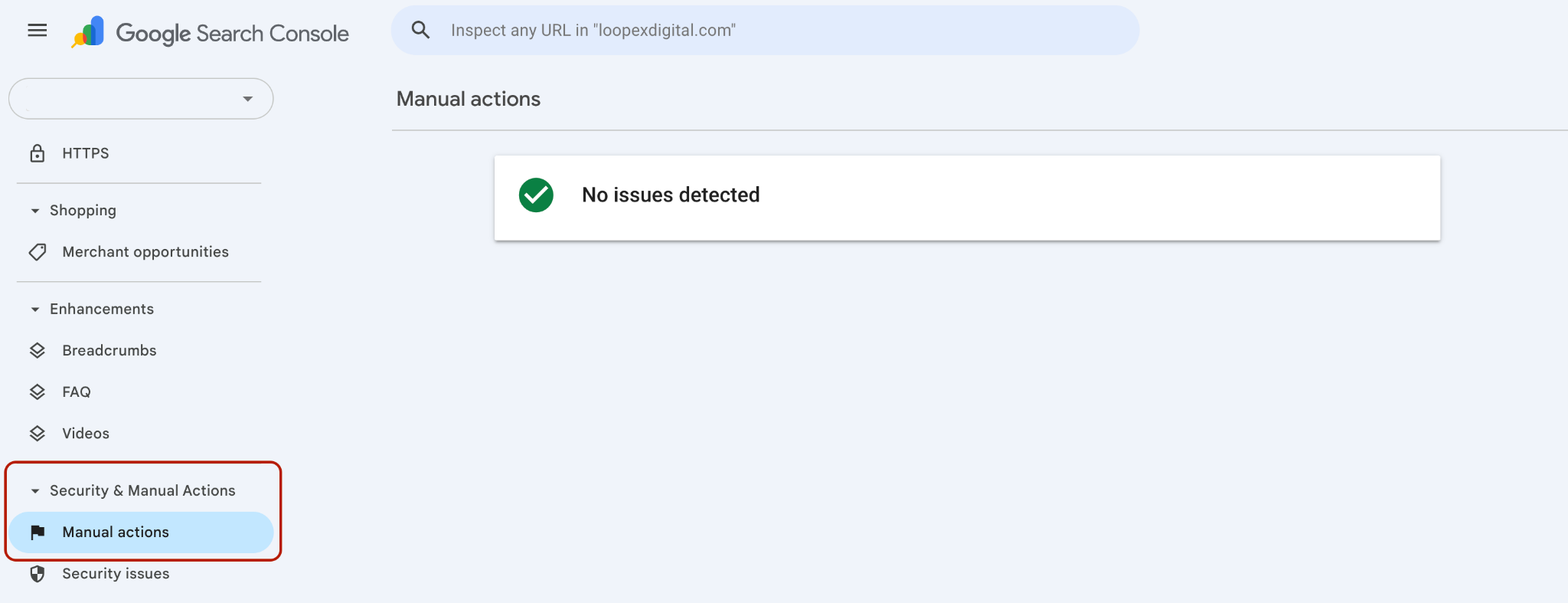
Second - manual reviewers. These are human Google quality raters who assess sites directly, usually triggered by algorithmic flags or competitor spam reports. If they flag you, you get a manual action. You'll know because it shows up in Google Search Console under Security & Manual Actions → Manual Actions. The result can be partial or complete removal from search results.
Since Google’s Penguin 4.0 update in 2016, Google's default response is to ignore suspicious links rather than penalize you for them. This means cheap paid links are more likely to be wasted money than an immediate catastrophe.
The 3 Major Risks of Buying Backlinks, by How Likely They Are
Risk 1: You waste money - most likely outcome for cheap links
Google ignores most low-quality paid links. You spend $200 on a link package, Google devalues every link in it, your rankings don't move. This is what happens when you buy from obvious link farms or PBNs. You don’t get a penalty, just a hit at your bank account.
Risk 2: Algorithmic demotion - possible with medium-quality paid links
Google detects an unnatural linking pattern - say, 30 links acquired in a month, all with exact-match anchors, from unrelated sites. Your rankings drop. This is usually recoverable by disavowing the links and cleaning up your profile, but it costs time and potentially revenue.
Risk 3: Manual penalty - rare, but the worst outcome
A Google reviewer manually flags your site. Content disappears from results, partially or entirely. Recovery means submitting a reconsideration request, disavowing bad links, and waiting weeks or months. For a business that depends on organic traffic, this is potentially catastrophic.
So, should you buy backlinks after knowing these risks? It still depends on how exactly you do it (like quality and methods: guest post vs niche edits vs link farms).
How to Evaluate Backlinks Before Paying for Them?
For backlinks to be worth your time, they need to fit inside this criteria:
1. Have domain quality
- Domain Rating (DR) above 30 minimum (check with link building tools)
- Organic traffic is consistent and not recovering from a recent Google update
- The site looks like a real publication (real authors with bios, original images, actual engagement)
2. Have relevance
- The domain covers your industry or niche area
- The specific page where your link will appear is topically related to your content
3. Have the right link placement opportunity
- Link appears in the body content, not a sidebar or footer (footer links carry far less weight)
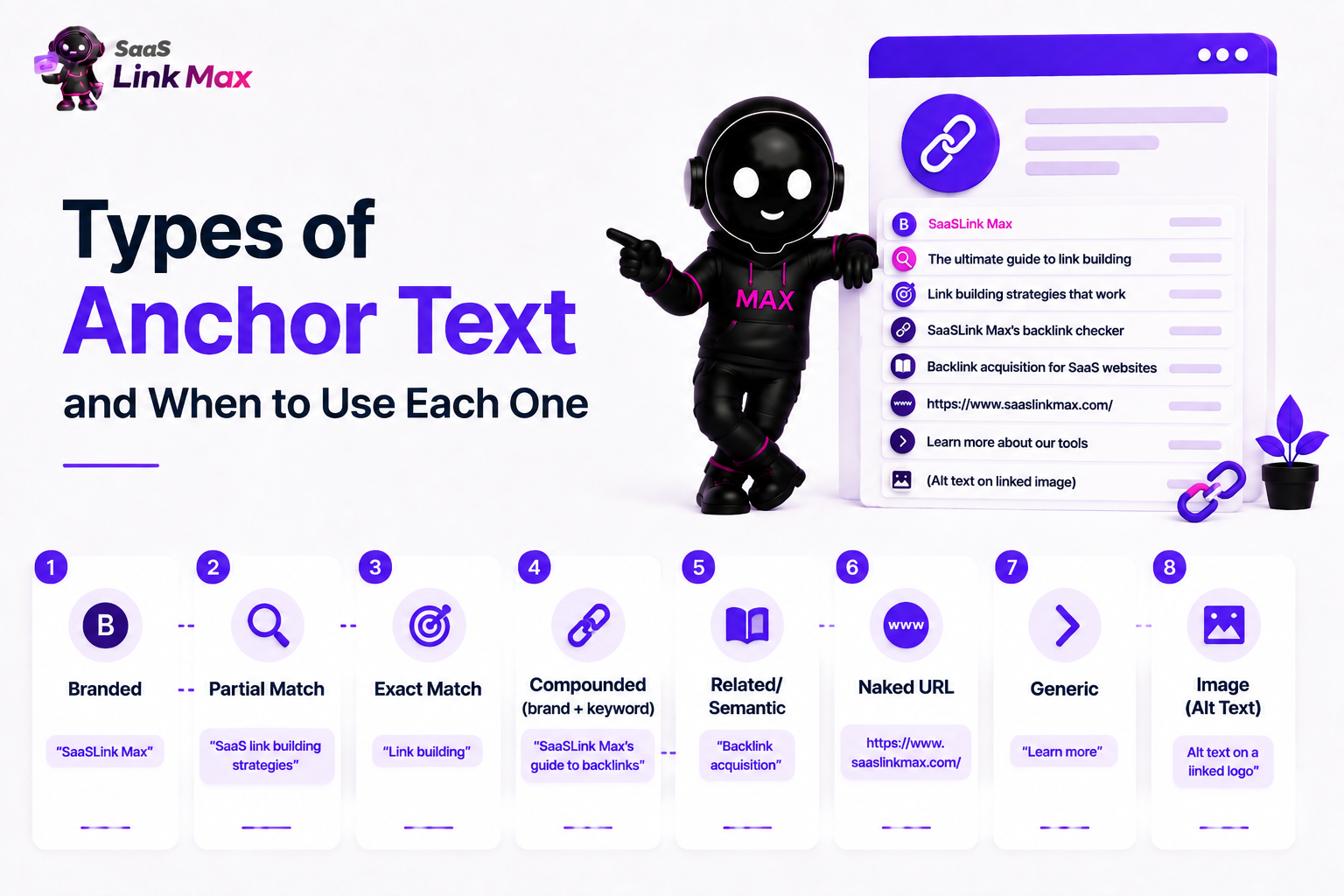
- Anchor text is natural (brand name, partial match, or a descriptive phrase) not exact-match keyword spam
Red flags to walk away from
- The site links out to casinos, pharmaceuticals, and B2B software on the same page
- Outbound anchors are unusually specific commercial terms
- The blog was clearly built only to sell guest posts (thin content, no real authors, no social presence, no comments)
These are all signs of a link farm, a network of low-quality websites created to hyperlink to a specific target site to artificially boost SEO.
Taking these into account,
Safer Ways to Build Backlinks (With Time Estimates)
If you'd rather avoid the risk of buying links, here's what works, with honest estimates of how long each takes.
Digital PR
You create something genuinely newsworthy: original research, a data study, a survey with industry-specific findings. You pitch it to journalists and publications, and they link to you when they cover it. The links you get this way are from real publications that no amount of money can buy directly.
It's the highest-quality link building approach and the most scalable at volume.
For SaaS companies specifically, digital PR tends to produce links that competitors can't easily replicate, which is exactly the point. If you want to understand how it differs from traditional link building, this breakdown of digital PR vs. link building is worth reading.
Time to first result: 2-4 months
Guest posting
You write a genuinely useful article for a relevant site in your niche, and include a contextual link back to your content. The catch is finding sites that accept real guest posts versus those just selling paid placements.
This works well for niches where you can share real know-how. For example, SaaS guest posting works well when your team has real domain expertise - product-led insights and original takes are what editors actually want.
Time to first result: 4-8 weeks per link
Niche edits (with Organic Outreach)
You find existing articles on relevant sites that would genuinely benefit from a link to your content, and pitch the editor on adding it.
This is harder to pull off than paying for it, but you land on aged, indexed pages with existing traffic.
Time to first result: 4-8 weeks
Linkable assets
You build something worth linking to without needing to ask: a free tool, an original industry report, a comprehensive data study, an interactive resource. When done right, linkable assets attract links passively over time. The upfront investment is high, but the long-term ROI is better than almost any other method.
Time to first result: 3-9 months
HARO / Connectively
Journalists post requests for expert sources. You respond with genuine insight, they quote you, you get a link from a real publication. Free, and the links are usually high quality. Downside is that it’s competitive, and response rates to pitches can be low. Works better if you or your team are genuine subject matter experts.
Time to first result: 2-6 weeks
Listicle link building
Getting your product or content included in "best of" and "top tools" roundups. These pages get a lot of traffic and the links carry real weight, especially in industries like SaaS where comparison content is everywhere.
SaaS listicle link building is one of the more underrated tactics in the space because the placement also directly drives referral traffic, sign-ups and LLM visibility/AI citations.
Time to first result: 3-6 weeks
Link exchanges
You link to a relevant site, they link back to you. Simple in theory. Google is better at detecting reciprocal patterns than it used to be, so the key is keeping them relevant, non-obvious, and part of a broader diverse strategy.
The mechanics and dos/don'ts are in our link exchanges guide.
Time to first result: 2-4 weeks
Additional Safety Measure
On a more technical level, a paid placement should technically use rel="sponsored". Reputable publishers may insist on this. It signals the paid nature to Google, which reduces penalty risk but may reduce link equity passed. Many SEOs accept this trade-off. Some don't ask and take the risk, so it’s your call.
Should You Buy Backlinks? A Decision Framework
Rather than a blanket yes or no:
Don't buy backlinks if:
- Your business depends heavily on Google rankings and can't absorb a penalty
- You're a new site under 6 months old - organic signals matter more at this stage than link quantity
- Your budget only stretches to cheap bulk packages
- You haven't done basic on-page SEO yet - backlinks won't fix a weak foundation
Buying backlinks makes sense if:
- You're in a competitive niche where competitors clearly have a paid link strategy
- You can afford high-quality placements (DR 40+, topically relevant, real editorial sites)
- You're diversifying your profile so paid links don't create an unnatural pattern
- You're drip-releasing links gradually, not acquiring 50 in a single month
- You're supplementing organic link building, not replacing it
If you DO decide to buy links:
- Never use exact-match anchor text for every link - vary it across branded, partial match, and descriptive anchors
- Keep your overall profile diverse: mix in forum backlinks, social signals, directory citations alongside paid placements
- Vet every domain before paying (the checklist above applies every time)
- Avoid agencies that won't show you the specific sites before going live
If you want to go deeper on building a link acquisition strategy that doesn't rely on hoping Google doesn't notice, the SaaS link building strategies guide covers the full picture. Most of these work not only for the SaaS business structure.
Quick Answers to Common Follow-Up Questions
What Do Backlinks Cost?
The average paid backlink costs around $83 according to industry surveys, but that figure is dragged down by cheap junk. Any link worth having in a competitive niche starts at $100+.
Price also varies significantly by niche - sites in finance, legal, and SaaS command much higher rates than lifestyle or hobby blogs.
Should You Buy Backlinks for a New Website?
No. A brand-new site with a large paid link profile is a pattern Google recognizes. Spend the first 6 months on content quality, technical SEO, and earning a handful of genuinely relevant links through outreach and relationship-building. After that, selectively adding paid placements is a more defensible position.
Is Buying Backlinks Illegal?
No. It violates Google's Terms of Service, but not any law. There are no legal consequences, only the risk of search engine penalties.
Can Buying Backlinks Get Your Site De-Indexed?
Yes, but it requires a manual action, which is relatively rare for individual purchases on real sites. It's far more likely if you're buying in bulk from obvious link farms. Full de-indexing is the worst-case outcome - if it does happen, recovering from it takes months.
What's the Difference Between a PBN and a Guest Post?
A PBN (private blog network) is a network of sites built specifically to sell links, with no real audience or editorial purpose. A legitimate guest post goes on a publication with real readers and real editorial standards. The distinction matters because PBN links are aggressively flagged by Google's algorithm. If you're paying for guest posts, verify the site is the latter.